
How Arrest Warrants Work in Fentress County
In Tennessee, an arrest warrant starts as a complaint or affidavit placed before an authorized magistrate. The magistrate looks for probable cause on two points. Did the offense occur, and did the named person commit it? Only then does the warrant issue. It directs a lawful officer to make an arrest, though a summons may serve instead where the rules allow. Fentress County publishes no arrest-warrant portal and no local warrant-number format. To confirm a Fentress warrant, use the Sheriff's in-person inquiry and the clerk for the county case that started it all. Depending on how the case began, a Fentress record may sit with General Sessions, Criminal, Circuit, or another court.
Fentress County Arrest Warrant Review
State law frames the review. Rule 4 and Tennessee Code § 40-6-205 govern an arrest warrant issued on a complaint. The reviewing official weighs a written examination and a probable-cause showing before signing process. That work comes first. The prosecutor, clerk, and executing officer step in later. For the text itself, the Tennessee criminal rules index posts Rule 4 and its related procedures. Prosecution belongs to the 8th Judicial District Attorney General, at PO Box 321, 225 W. Central Avenue, Jamestown, phone 931-400-8080. Call there about a pending case. Do not call expecting a warrant search desk. The official District 8 page identifies the prosecution district that covers Fentress County, not the agency that confirms warrant status.
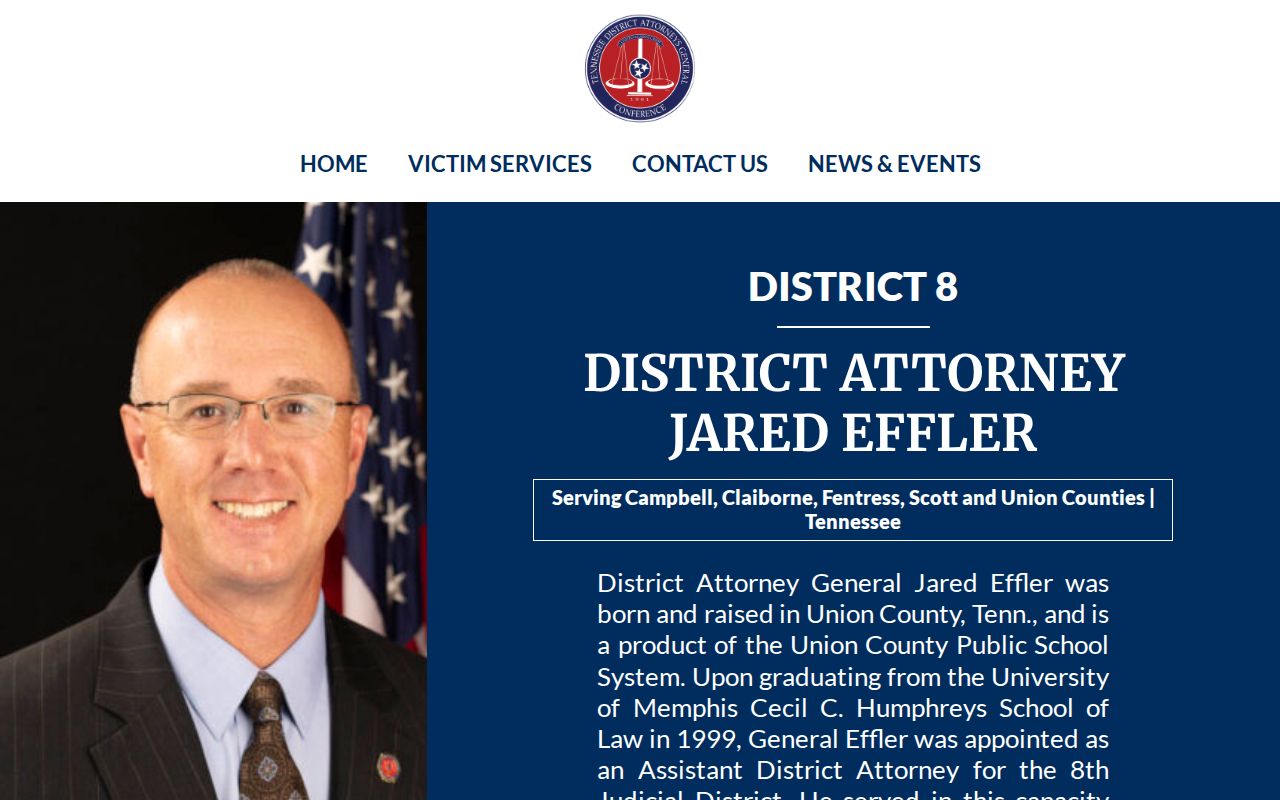
For an individual case, the Sheriff and originating court remain the practical confirmation sources.
Arrest Warrants: What They Contain
Tennessee's official AOC blank form offers a field model. It can carry a case number, court and county, charge, issue date, and a clerk or judicial signature. Bond amount, appearance date, and officer return may appear too. Fentress County has posted no online record schema or sample warrant entry of its own.
| Case / court | Identifies the file and issuing court. |
|---|---|
| Charge | Describes the alleged offense listed in process. |
| Issuing official | Shows the judicial or clerk authority, depending on the process. |
| Bond / date | May state an amount or first appearance date. |
| Officer return | Records execution or a not-found attempt. |
The blank form also holds address, Social Security, and phone fields for case use. Keep those identifiers out of any public example. A served defendant or attorney may request a copy under Tennessee Code § 40-6-216.
Fentress County Arrest Warrant Rules
Two rules drive the split. Rule 4 covers an arrest warrant or summons that follows a complaint. Rule 9 covers a capias or summons after an indictment or presentment in specified situations. A capias can be issued by the clerk and command arrest and return to court. That felony-stage process is not a routine traffic citation. The AOC blank form is titled "CAPIAS / BENCH WARRANT," so both terms can sit on one document. The title does not mean every bench warrant grows out of an indictment. Fentress County publishes no online status key or type-code guide, so ask the court clerk which rule and case event created the paper. Confirm any label against the current court file.
How Warrants Get Served in Fentress County
The Fentress Sheriff's Office is the county's public law-enforcement inquiry point. Visit 140 Justice Center Drive, Suite 1, Jamestown, or call 931-879-8142. Lobby hours run 8:00 a.m. to 4:00 p.m. weekdays, closed federal holidays. Its FAQ is blunt: no warrant, summons, or civil-paper information by phone. Come in person. The Sheriff posts no named warrant squad, service roster, surrender policy, or bond window. Jamestown Police, at 931-879-5871, routes city service, and other authorized officers may execute warrants under state law, so ask about your specific case. For current contact details and the FAQ, use the county Sheriff's page. The Circuit Court Clerk, Suite 126 at the same address, can route the county case file at 931-879-7919.
No Fentress County Arrest-Warrant Search
Fentress County posts no public arrest-warrant list, name-search portal, or court docket tool. A blank web search settles nothing. It does not show that no warrant exists, nor that the county lacks an internal law-enforcement database. The Sheriff answers public status questions in person only. For a criminal or Circuit Court file, go through the Circuit Court Clerk. The county General Sessions page lists Judge Todd Burnett at 931-879-6724. Ask the Circuit Clerk whether that court or another office keeps the record you need. No warrant-specific phone line or email is listed, so never lean on an emergency number or a general non-emergency report line as a Fentress warrant lookup channel.
Arrest Warrants, Summonses, and Bench Warrants
Each paper carries its own command. An arrest warrant lets an officer take the named person into custody after a probable-cause review. A summons orders an appearance instead. A bench warrant usually follows a missed court obligation or noncompliance. The exact process turns on the issuing court and the Fentress County case behind it.
| Document | Why it may issue | Where to confirm |
|---|---|---|
| Arrest warrant | Complaint and probable-cause finding | Sheriff in person and originating clerk |
| Summons | Direction to appear on a stated date | Court named on document |
| Bench warrant | Missed setting or court order | Court that set the obligation |
| Rule 9 capias | Indictment or presentment in covered cases | Criminal court clerk |
A civil attachment or a Juvenile Court matter plays by its own rules. In Fentress County, the Clerk and Master keeps Chancery and probate records, not the ordinary criminal warrant lookup.
Federal Warrants in Fentress County
Federal warrants in Fentress County run through the U.S. District Court for the Middle District of Tennessee, not the county courthouse. Fentress County sits in that court's Northeastern Division, which holds court in Cookeville and tags its cases with a "2" designation. A federal arrest warrant will not show up on the Fentress Sheriff's roster. Federal process is simply a different system. PACER, the federal docket service, lets you search case filings once you open an account. It is not a warrant lookup, though. Sealed or unfiled warrant material stays hidden, so a clean docket result proves little about federal process. Anyone worried about a federal warrant should call the Middle District clerk, the U.S. Marshals Service, or a federal defense lawyer instead of guessing from a county search. The Middle District division page lists Fentress County alongside the other Northeastern Division counties and shows how the federal districts are drawn.
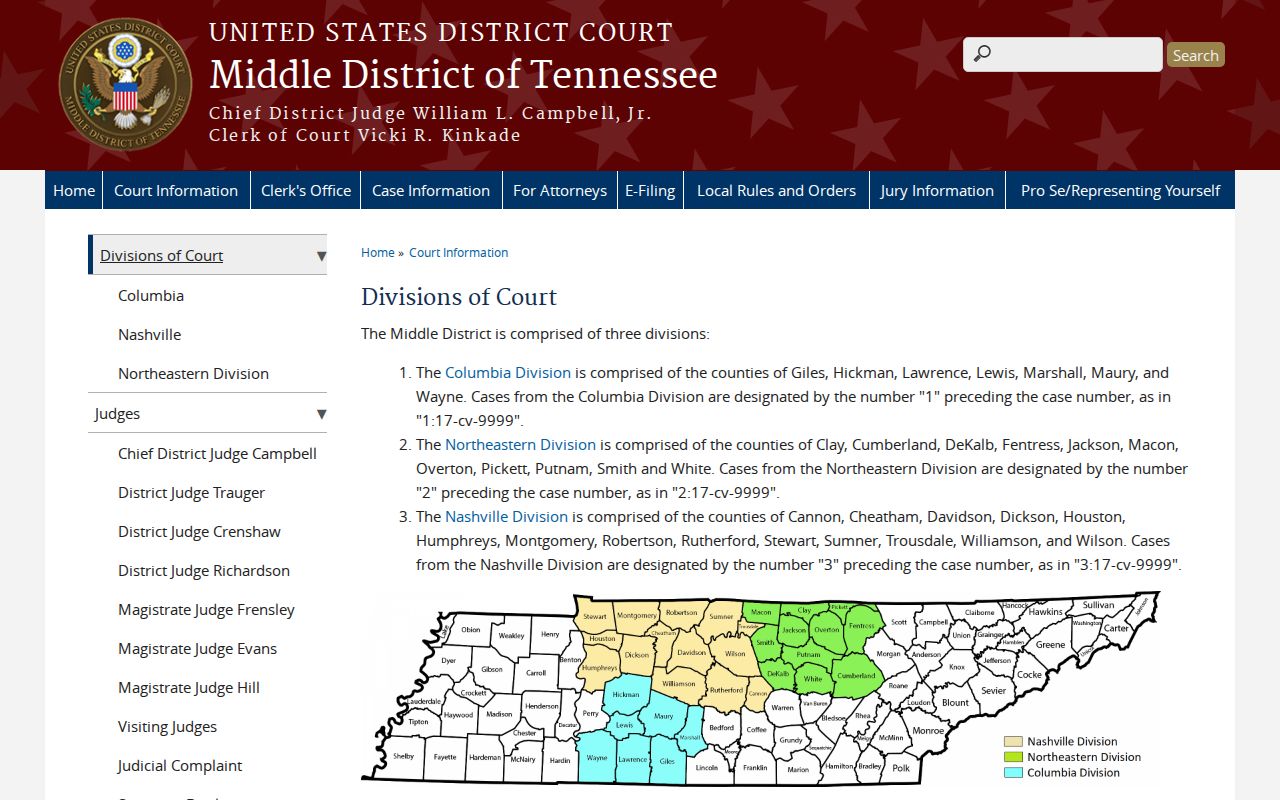
Federal case lookup remains separate from the Sheriff's in-person county channel.
Fentress County Warrant Records and PACER
PACER is the federal courts' official case service. It can surface docket filings that are public. But a docket is not a warrant roster. Sealed documents stay out of view. The service page lays out its search options and account terms. Use it for federal case records only. It cannot confirm a county or city warrant in Fentress County. See PACER's official case-finding options, and take any federal question to counsel or the right court.
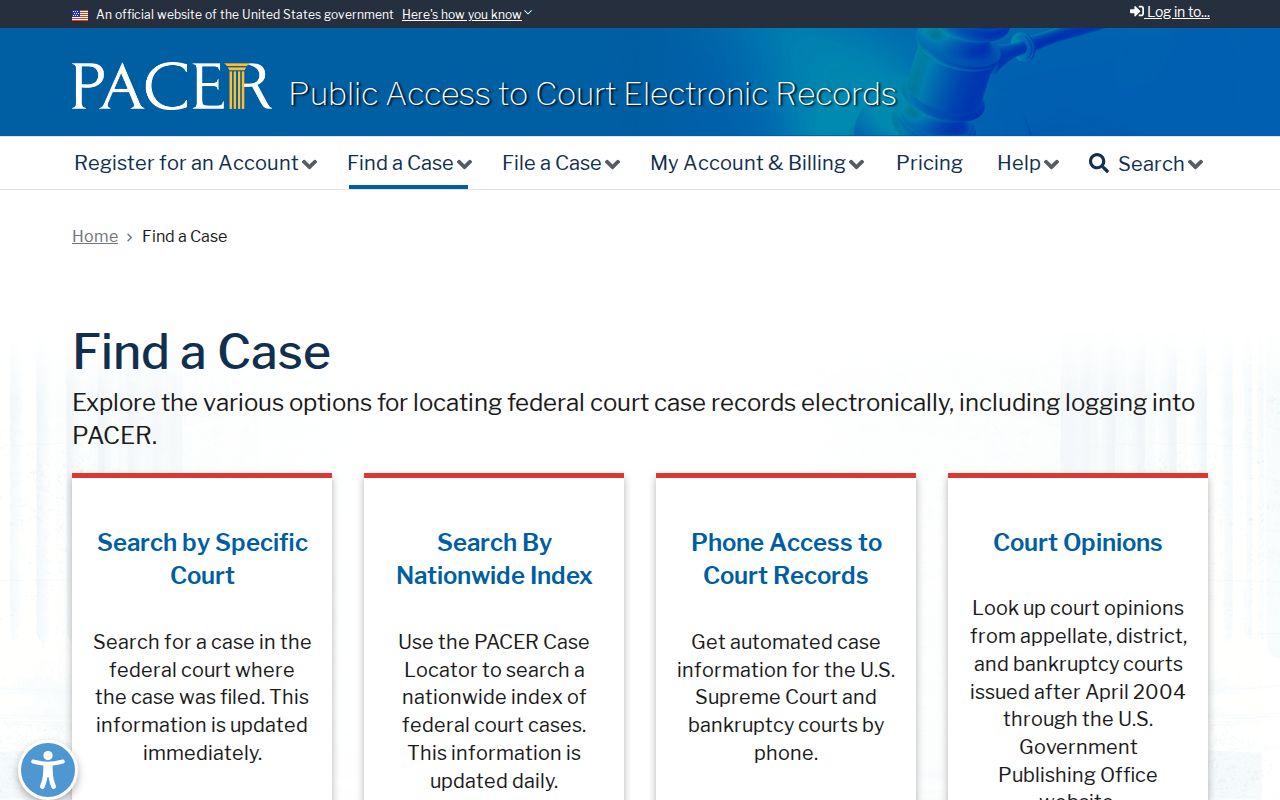
A clean PACER docket in a Fentress County matter still does not rule out sealed federal process or a separate county warrant.
Fentress County Warrant Access Limits
Some warrant records stay closed. They may hold juvenile material, protected data, or investigation-sensitive details. Tennessee's Public Records Act, plus specific confidentiality laws, lets an office withhold or redact that material. The county's practice is to hand over a redacted copy when it can and give a general reason for anything held back. If access is denied, ask the clerk for the public portion of the record and the legal basis for the rest. Do not seek out or repost personal identifiers pulled from a warrant form. A court's access decision is separate from the probable-cause finding that issued the warrant in the first place.
Handling an Arrest Warrant in Your Name
Think an arrest warrant carries your name? Talk to a Tennessee criminal-defense lawyer first. Then confirm its status through the Sheriff's in-person channel and the clerk of the court that issued it. Ask which court issued the warrant, the case number, the charge, any appearance date, any bond amount, and where a person should report. Fentress County publishes no walk-through procedure and no general bond schedule. If the warrant was already served, Tennessee Code § 40-6-216 lets a defendant or attorney request a copy of a warrant or summons issued under the arrest-warrant part within a reasonable time. Say the court later recalls or quashes the process. Get that in writing. Ask whether the Fentress Sheriff also needs to update its record so the warrant stops showing as active.
Plan first: A lobby inquiry is not a published surrender appointment; get counsel and confirm the court's current instructions before appearing.